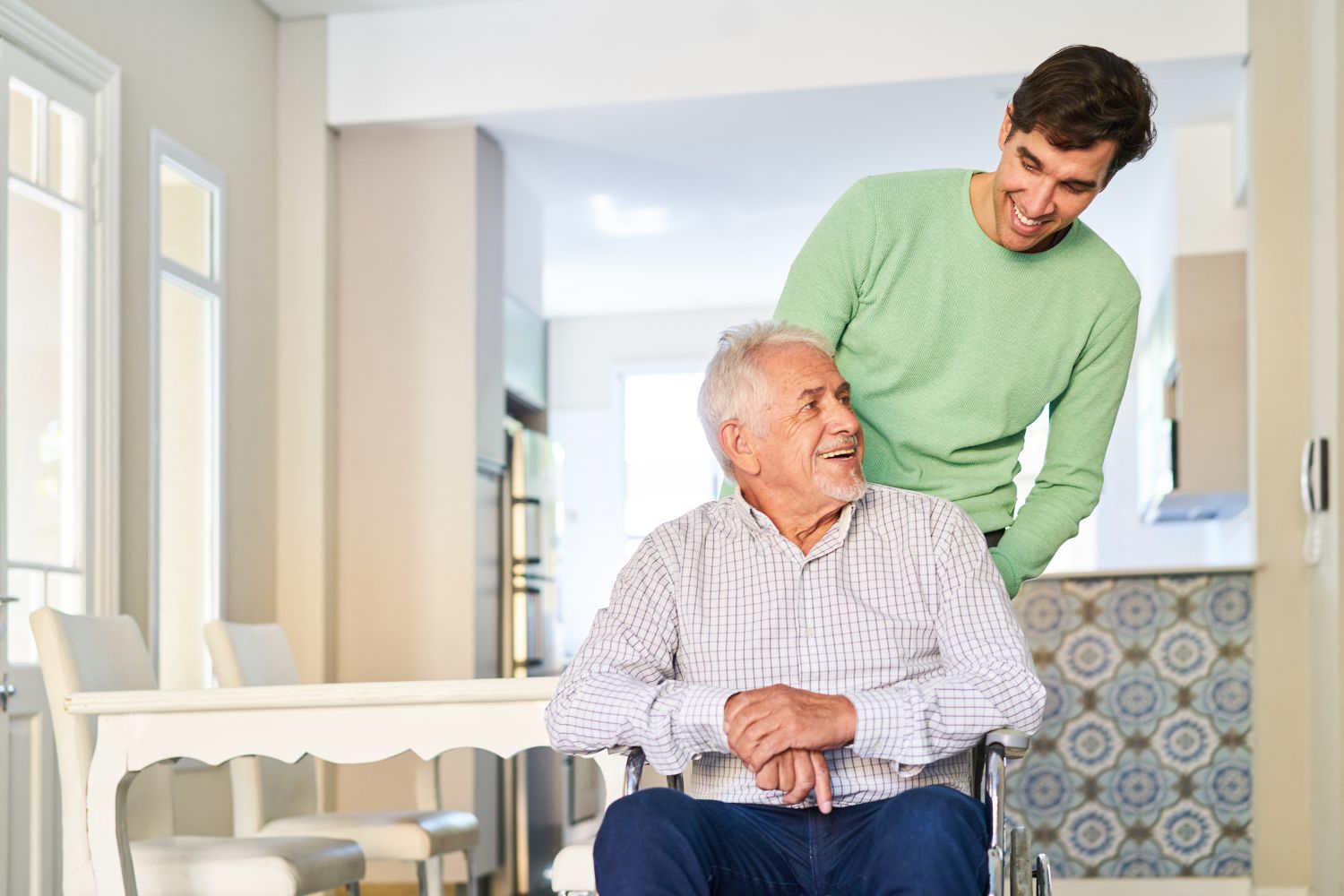


Elderly Care in the Modern Age: Enhancing the Quality of Senior Living
As the world population continues to age, the need for comprehensive and compassionate elderly care has never been more significant. With advancements in medicine and technology, seniors are living longer, but they often face challenges in maintaining their quality of life. In response to these needs, innovative approaches to senior care are emerging, aiming to improve the physical, mental, and emotional well-being of older adults. In this article, we explore the latest trends and developments in elderly care, highlighting the key strategies that are reshaping the senior living landscape.
One of the primary concerns of elderly care is promoting healthy aging. Physical fitness plays a crucial role in maintaining independence and preventing chronic diseases in seniors. With the rise of age-friendly communities, more emphasis is being placed on creating environments that support active and inclusive lifestyles for older adults. These communities prioritize walkability, accessibility, and the availability of recreational amenities such as parks, fitness centers, and social gathering spaces. By enhancing the built environment, older adults are encouraged to lead healthier lives, stay connected to their communities, and enjoy a higher quality of life.
In addition to physical health, mental well-being is of utmost importance in senior care. Age-related cognitive decline is a common concern, but recent research has shown that mental stimulation and social engagement can significantly slow down this process. This has sparked a growing trend of incorporating technology into elderly care programs. From interactive games and virtual reality experiences to mobile apps that facilitate communication and cognitive training, technology is revolutionizing how seniors stay mentally active and connected. As the digital divide gradually closes, the potential for technology to bridge the social and cognitive gaps between generations becomes ever more apparent.
Recognizing the specific needs of aging individuals with chronic conditions, person-centered care has gained traction in the field of elderly care. This approach places the individual’s preferences, values, and goals at the center of their care plan, empowering seniors to actively participate in decision-making about their health and well-being. Person-centered care goes beyond just medical needs and takes into account factors such as social support, emotional well-being, and personal interests. By tailoring care plans to the unique needs of each individual, elderly care providers are able to provide more holistic and effective support.
While it is essential to stay current with new developments and innovations in elderly care, it is equally important to address the challenges that arise. Adequate funding and resources remain a persistent issue in many regions, hindering the implementation of comprehensive senior care programs. Additionally, the shortage of skilled healthcare professionals trained in geriatric care poses a significant hurdle. Policymakers and healthcare organizations must work collaboratively to address these challenges and ensure access to high-quality elderly care for all.
In conclusion, the field of elderly care is evolving to meet the diverse and complex needs of seniors in the modern age. From age-friendly communities to the integration of technology and person-centered care approaches, innovative strategies are enhancing the quality of life for older adults. By prioritizing physical health, mental well-being, and individual preferences, elderly care providers are creating a more inclusive and supportive environment for seniors. However, it is vital to address ongoing challenges such as funding and workforce shortages to fully realize the potential of these advancements. As society continues to age, investing in comprehensive and compassionate elderly care will be crucial to ensure a fulfilling, healthy, and dignified life for our seniors.
Sources:
– CityLab. (2018). How the Design of Aging-Friendly Communities Can Support Older Adults. Retrieved from [source URL]
– National Institute on Aging. (2021). Cognitive Health and Older Adults. Retrieved from [source URL]
– American Geriatrics Society. (2020). What is Person-Centered Care? Retrieved from [source URL]