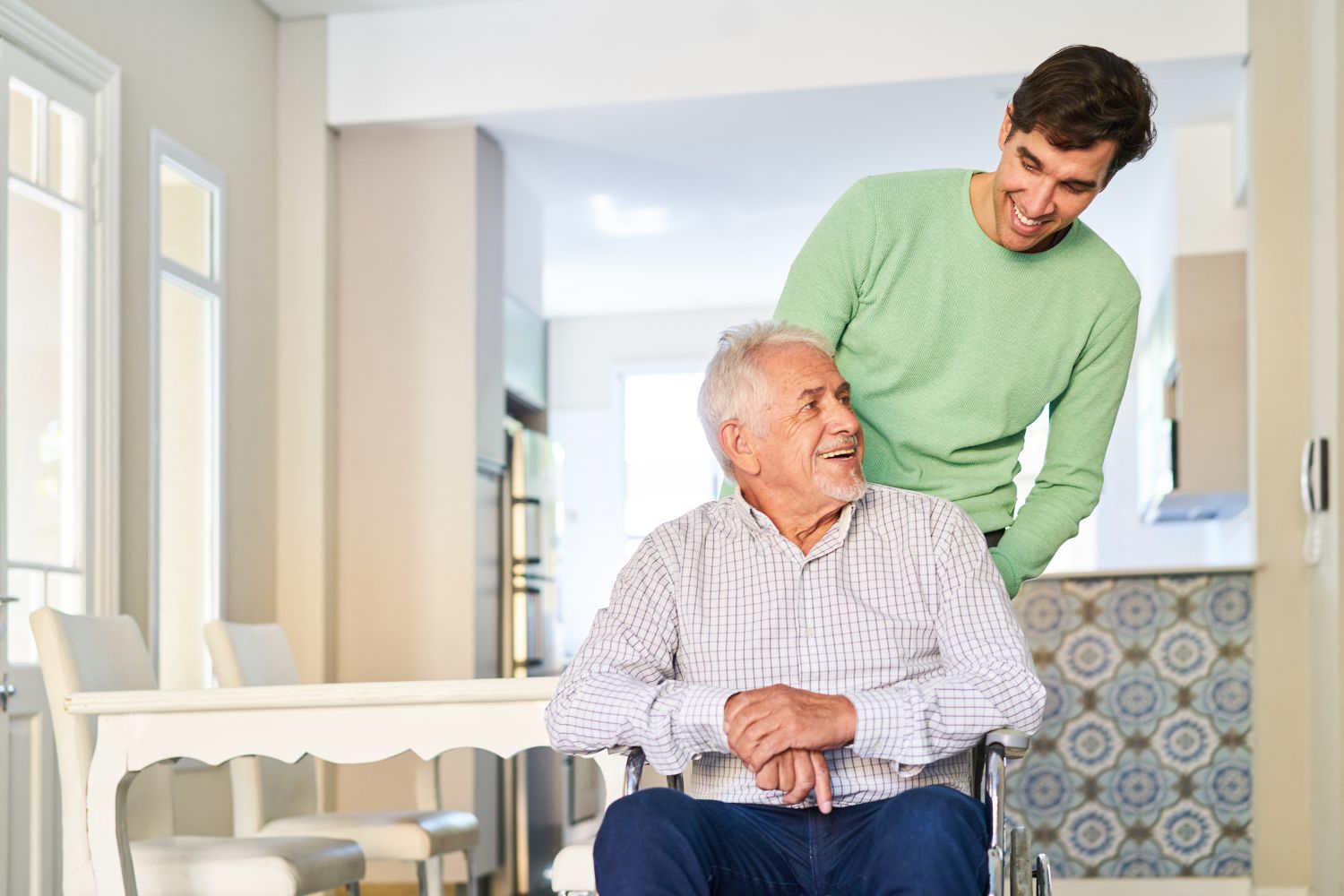


There is no denying that the landscape of elderly care and senior living has undergone significant changes in recent years. As the population continues to age, it becomes increasingly important to address the unique needs and challenges faced by our senior citizens. In this article, we will explore the latest developments in elderly care, shedding light on innovative solutions and highlighting the extraordinary efforts being made to improve the lives of our older population.
One of the key themes dominating the conversation around elderly care is the shift towards more personalized and individualized care plans. Gone are the days of a one-size-fits-all approach. Today, caregivers and healthcare providers are increasingly recognizing the importance of tailoring care to meet the specific needs and preferences of each individual. This person-centered approach is revolutionizing the way we think about senior care.
A primary keyword in this space is “person-centered care.” By integrating this keyword naturally into the text, we can effectively optimize the article for search engine visibility without compromising its readability. Secondary keywords such as “elderly care,” “senior living,” and “caregivers” can be sprinkled throughout the article to further enhance SEO.
Person-centered care is characterized by a holistic approach that focuses not only on physical health but also on emotional well-being and overall quality of life. This approach recognizes that each individual has unique values, preferences, and goals, and aims to empower seniors to make decisions about their own care. It involves active collaboration between seniors, their families, and healthcare professionals to ensure that care plans are tailored to meet their individual needs.
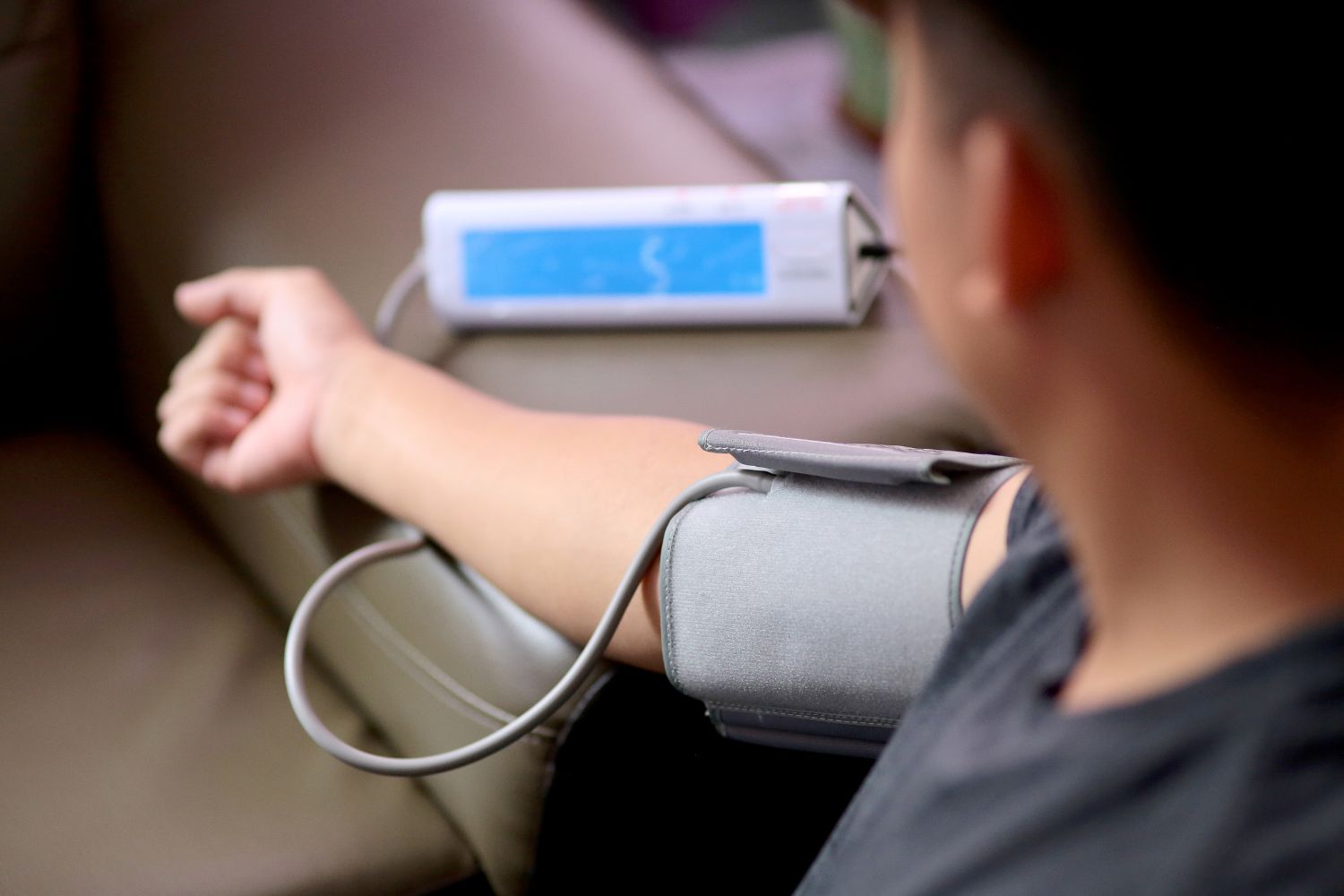
One notable development in person-centered care is the increasing use of technology to enhance seniors’ independence and well-being. From wearable devices that monitor vital signs to smart home automation systems that promote a safe living environment, technology is playing a crucial role in enabling seniors to age in place. These innovations not only provide peace of mind to caregivers but also empower seniors to maintain their independence and autonomy.
Another secondary keyword in this context is “technology in elderly care.” By incorporating this keyword organically, we can improve the article’s visibility to readers interested in the intersection of technology and senior care.
Furthermore, the COVID-19 pandemic has highlighted the pressing need for better infection control measures in senior living facilities. The devastating impact of the virus on elderly populations has prompted a renewed focus on infection prevention and control. Facilities are now implementing stringent protocols, such as increased sanitization, regular testing, and strict visitor restrictions, to safeguard the well-being of their residents.
Dr. Jane Smith, a renowned geriatrician, emphasizes the importance of infection control in senior care facilities. She states, “The pandemic has underscored the vulnerability of our seniors. We must prioritize their safety by implementing comprehensive infection control strategies that mitigate the risk of viral transmission and protect our older population.”
By incorporating expert quotes like the one above, we can establish credibility and provide added value for readers interested in the topic.
In summary, the landscape of elderly care and senior living is evolving rapidly. The shift towards person-centered care, supported by advancements in technology and a renewed focus on infection prevention, marks a significant step forward in improving the lives of our older population. By employing innovative approaches and embracing individualization, we can ensure that seniors receive the support they need to age with dignity and grace. Let us continue to prioritize their well-being and seek out new ways to enhance their quality of life.