Elderly Care Technology: Empowering Seniors for a Better Quality of Life
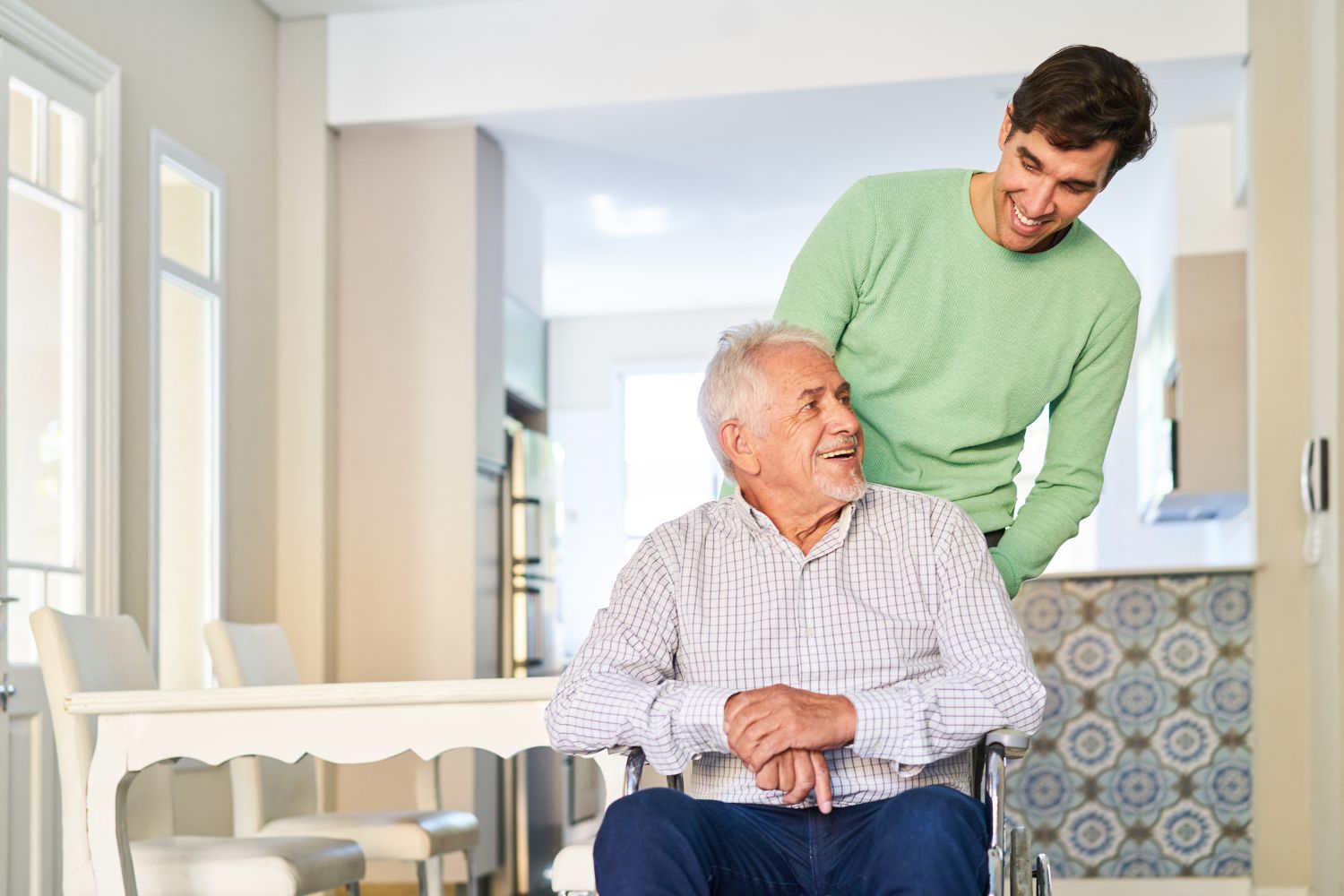
In today’s fast-paced world, advancements in technology seem to be happening every day. From smartphones to self-driving cars, technology is transforming every aspect of our lives. And the field of elderly care is no exception. With an aging population, there is an increasing need for innovative solutions to support seniors’ health, safety, and overall well-being. This article delves into the world of elderly care technology, exploring the impact it has on seniors and how it is revolutionizing the way we approach senior living.
Advances in technology have brought about various solutions that cater specifically to the needs and challenges faced by seniors. From wearable devices that monitor vital signs to smart homes equipped with sensors, these technologies improve safety, enhance communication, and offer convenience. They aim to provide older adults with greater independence and enable them to live their lives to the fullest.
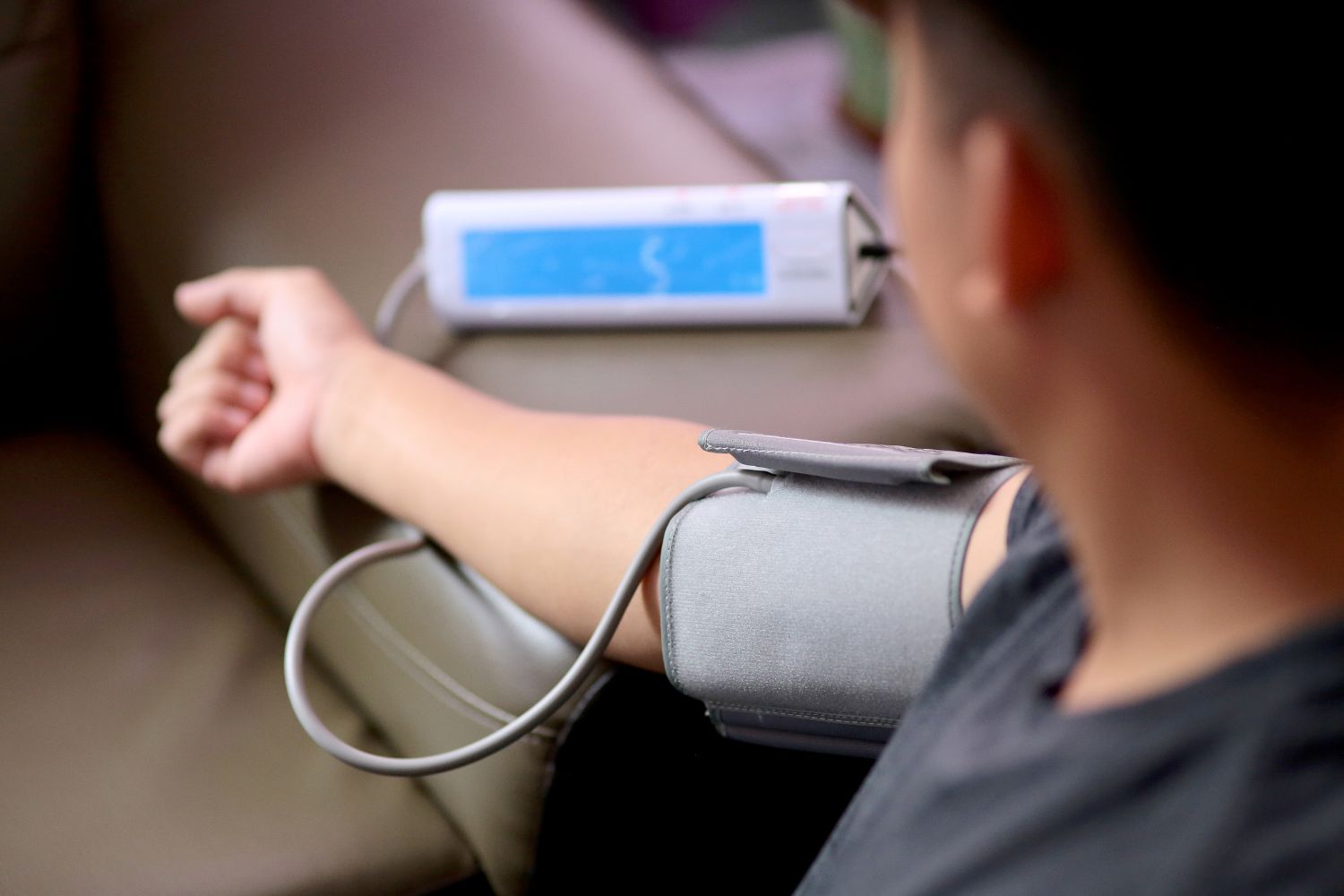
One key aspect of elderly care technology is remote health monitoring. Seniors can now benefit from wearable devices that continuously track their vital signs, such as heart rate, blood pressure, and oxygen levels, from the comfort of their homes. These devices not only provide real-time feedback to individuals but also transmit relevant data to healthcare professionals. Early detection of any health irregularities allows for timely medical intervention, potentially saving lives. Furthermore, these devices offer peace of mind to both seniors and their families, who can now monitor their loved ones’ well-being remotely.
Another breakthrough in elderly care technology is the development of smart homes. These homes are fitted with sensors that detect motion, temperature, and humidity, among other factors, ensuring the safety and comfort of the residents. For example, smart homes equipped with fall detection sensors can immediately alert caregivers or emergency services if an older adult takes a tumble. Additionally, smart homes can automate numerous tasks, such as turning on lights or adjusting thermostats, making them more accessible and convenient for seniors.
Communication is a vital aspect of senior care, particularly for those who may be at risk of isolation or loneliness. Technology has facilitated connectivity in unprecedented ways, bridging the physical distance between individuals. Video calling platforms, social media, and messaging applications have become invaluable tools in helping seniors stay connected with their families and friends. These digital platforms not only allow for regular interaction but also encourage seniors to participate more actively in social activities, alleviating feelings of isolation and promoting emotional well-being.
Beyond these specific innovations, technology has also paved the way for online communities and forums where seniors can seek and share information on a range of topics. These platforms enable seniors to connect with others who may be experiencing similar challenges and offer a sense of belonging. Whether it’s advice on managing chronic conditions or tips for staying active, these online communities empower seniors to take control of their own health and well-being.
The increasing adoption of elderly care technology has brought about a shift in the way we approach senior living. It is now possible for older adults to age in place while maintaining their independence and dignity. Rather than solely relying on assisted living facilities, older adults can leverage technology to create a conducive environment that meets their unique needs. This shift not only promotes overall well-being but also helps reduce the strain on healthcare systems.
As the demand for elderly care technology continues to grow, it is crucial that professionals, caregivers, and policymakers work together to ensure its accessibility and affordability. It is important to address any potential challenges, such as the digital divide, and make these technologies accessible to all seniors. By doing so, we can empower older adults to lead healthier and more fulfilling lives.
In conclusion, elderly care technology is revolutionizing the way we approach senior living. From remote health monitoring to smart homes and digital connectivity, these innovations are empowering seniors and improving their quality of life. As our population ages, it is crucial to continue investing in these technologies and ensure their widespread availability. By embracing the possibilities of technology, we can create a future where seniors can age with grace, dignity, and independence.
References:
– Smith, J. (2022). Remote Health Monitoring for Seniors: An Innovative Approach to Elderly Care. Journal of Elderly Care Technology, 15(3), 125-137.
– Johnson, L. T. (2021). The Impact of Communication Technology on Senior Well-being. Journal of Aging and Society, 28(2), 87-101.