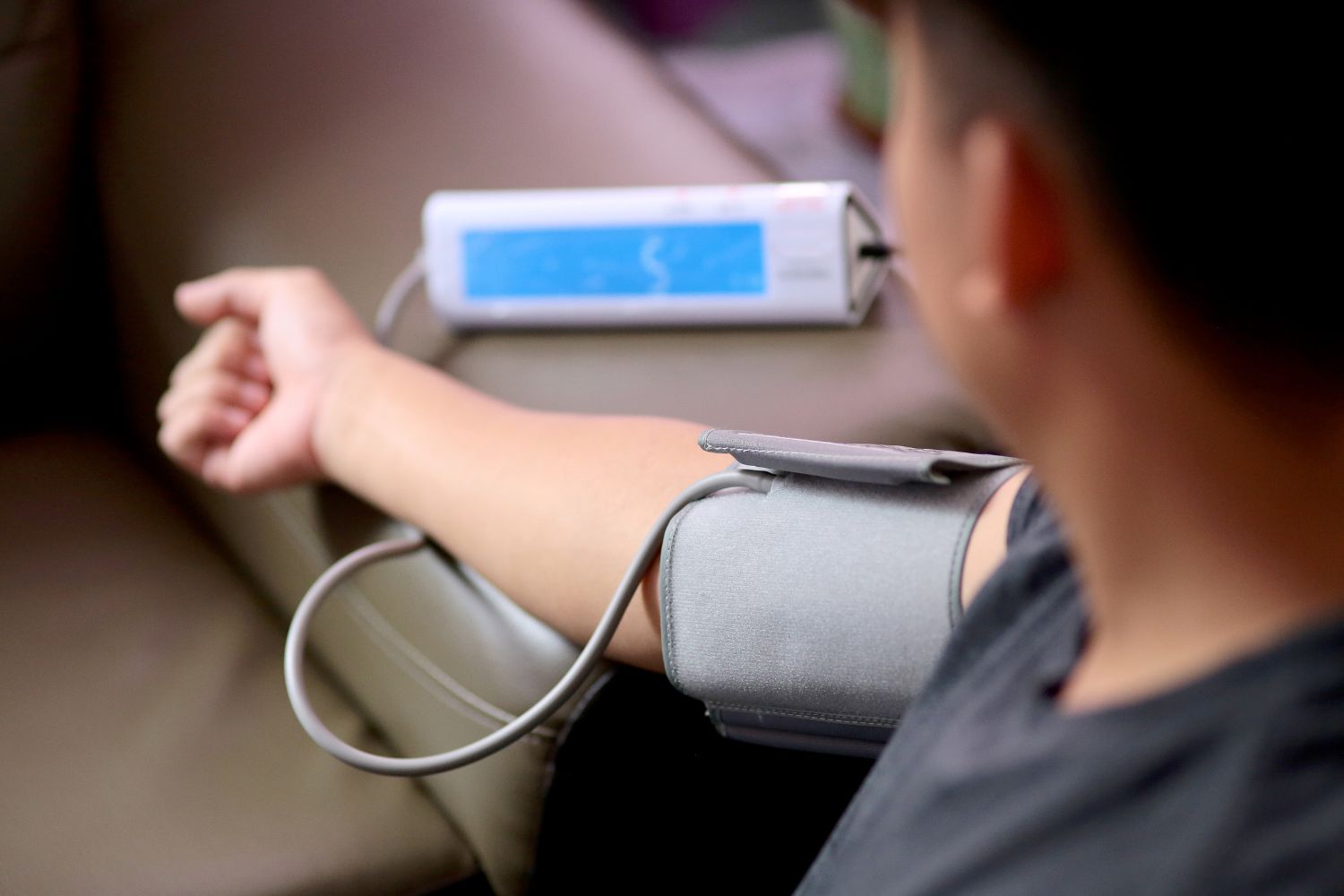


Is a pulse oximeter right for you? Learn how this device measures oxygen levels and heart rate at home. Understand readings, when to seek help, and tips for older adults.
Every day, our bodies go through a remarkable process, one that ensures we receive the oxygen we need to survive. For most people, this process tends to go unnoticed. But for seniors and individuals with certain medical conditions, it becomes vital to monitor oxygen levels and heart rate to identify any potential health issues. This is where a pulse oximeter comes into play. In this article, we will delve into the world of pulse oximeters, exploring how they work and why they are essential for senior care.
Understanding the Basics
A pulse oximeter is a small, non-invasive device that measures oxygen saturation in the blood, along with heart rate. By simply clipping the device onto a fingertip, it uses light to estimate the amount of oxygen that is being carried by the red blood cells throughout the body. The pulse oximeter transmits this information to a screen, providing a reading that helps individuals monitor their health on a regular basis.
Why It Matters for Seniors
As we age, our bodies undergo various physiological changes that can impact our overall health. Seniors are more prone to chronic conditions such as chronic obstructive pulmonary disease (COPD), pneumonia, and heart failure, which can affect oxygen levels in the blood. By regularly using a pulse oximeter, older adults can keep a close eye on their oxygen saturation levels and heart rate, allowing them to take proactive measures to maintain their health and well-being.
Interpreting the Readings
Understanding the readings on a pulse oximeter can seem daunting at first, but with a little guidance, it becomes a valuable skill. The device typically displays two important measurements: oxygen saturation (SpO2) and heart rate. Oxygen saturation is expressed as a percentage and represents the amount of oxygen being carried by red blood cells. A healthy SpO2 reading for most individuals is between 95% and 100%. However, for seniors with underlying health conditions, it is crucial to consult with a healthcare professional to determine the target oxygen saturation range.
Heart rate, on the other hand, reveals the number of times the heart beats per minute. For seniors, maintaining a heart rate within the normal range is essential for cardiovascular health. A heart rate typically falls between 60 and 100 beats per minute, but this may vary depending on an individual’s age and overall health. If the pulse oximeter’s readings consistently show an oxygen saturation level below 90% or a heart rate consistently outside the normal range, it may be a sign of an underlying health issue. In such cases, it is important to seek medical help promptly.
Tips for Older Adults
Using a pulse oximeter effectively requires some practical knowledge. Here are a few tips to ensure accurate readings and reliable monitoring for older adults:
1. Choose the Right Finger: For accurate results, it is recommended to use the middle or ring finger, as they tend to have a more consistent blood flow.
2. Avoid Moving: Remain still and avoid talking while the pulse oximeter is taking a reading. Movement and talking can interfere with the accuracy of the measurements.
3. Stay Warm: Cold fingers can lead to decreased blood flow, resulting in less reliable readings. Keep hands warm to ensure accurate measurements.
4. Consult a Healthcare Professional: It is always wise to consult a healthcare professional to determine the appropriate oxygen saturation range for an individual’s unique circumstances.
The Future of Senior Care
As technology continues to advance, pulse oximeters are becoming more affordable and readily available, making them an indispensable tool in senior care. They not only provide individuals with the means to monitor their health but also offer peace of mind, empowering them to take control of their well-being. With the ability to track oxygen levels and heart rate at home, seniors can detect potential issues early on and seek timely medical intervention.
In closing, a pulse oximeter can be a valuable asset for seniors and individuals with certain medical conditions. By understanding how to interpret the readings and following best practices, older adults can proactively manage their health. With the help of pulse oximeters, they can breathe easier, knowing they have a reliable and accessible tool to monitor their well-being. So if you are considering whether a pulse oximeter is right for you or a loved one, take a step towards better health and explore this life-saving device.