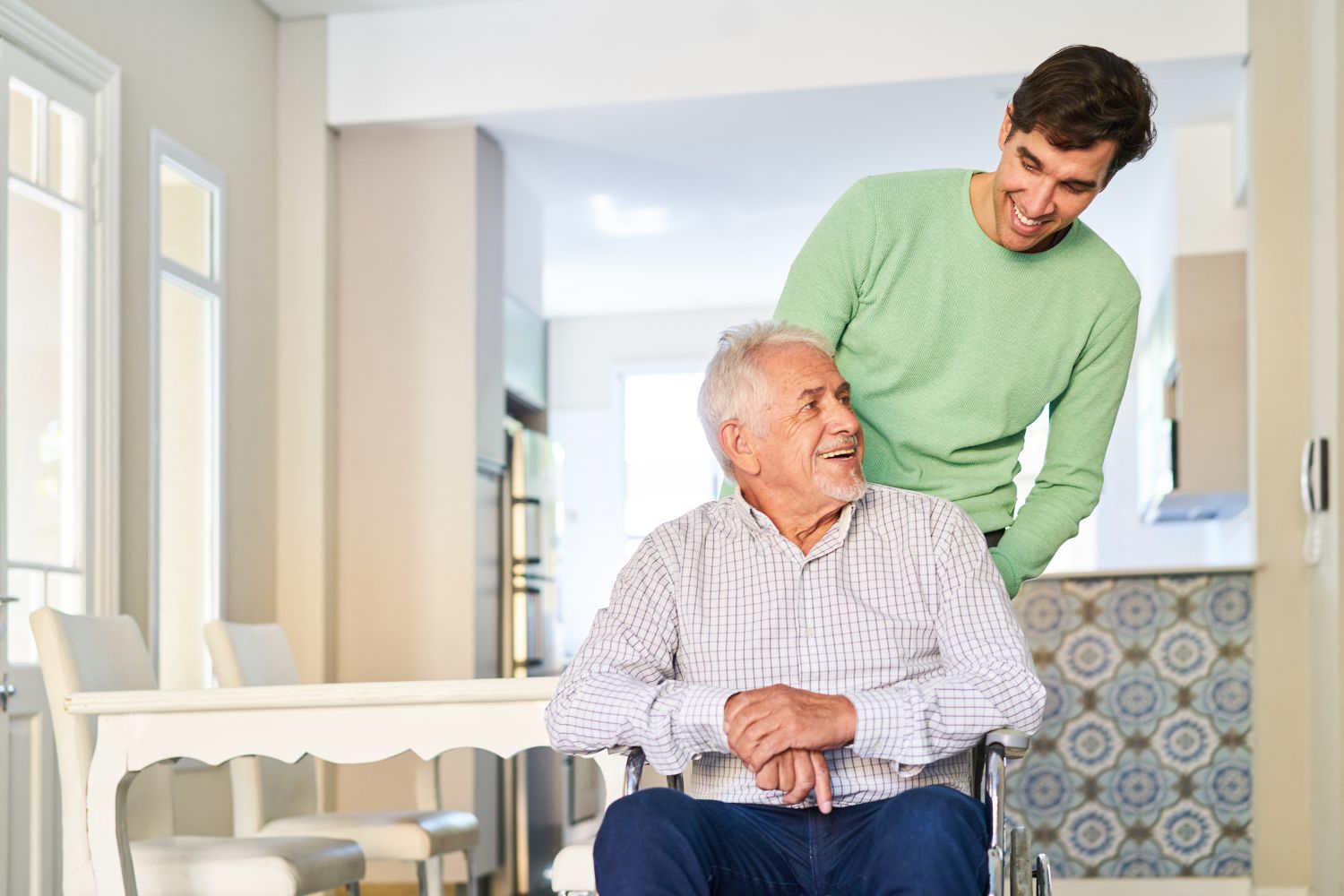
Did you know that volunteering can actually help you live longer? It may seem like an unlikely connection, but numerous studies have shown that regular volunteering can have a positive impact on the health and well-being of older individuals. In fact, research indicates that seniors who volunteer have a lower risk of mortality compared to those who do not engage in volunteer activities. So, if you’re looking for a way to add years to your life while making a difference in your community, volunteering may be the answer.
The idea that volunteering can lead to a longer life isn’t just a random theory. It is backed by solid evidence from various scientific studies conducted over the years. One study published in the journal “Psychology and Aging” found that older adults who volunteered for just two hours per week had a 44% lower likelihood of dying compared to those who did not volunteer. This significant reduction in mortality risk remained even after accounting for factors such as age, gender, socioeconomic status, and overall health.
But what exactly makes volunteering such a life-extending activity? There are a few key factors that contribute to this phenomenon. First, volunteering provides seniors with a sense of purpose and fulfillment. Many older individuals find themselves facing a loss of identity or a lack of direction after retirement. By volunteering, they can regain a sense of purpose and meaning in their lives, which can have a positive impact on their mental and emotional well-being.
Second, volunteering often involves physical activity. Whether it’s walking dogs at an animal shelter, assisting at a local food bank, or engaging in community gardening projects, volunteering typically requires seniors to stay physically active. Regular physical activity has been linked to a lower risk of chronic diseases such as heart disease, diabetes, and certain types of cancer. By engaging in volunteer work, seniors are not only giving back to their communities but also taking care of their own health.
Furthermore, volunteering helps combat social isolation and loneliness, which can be major issues among older adults. Many seniors find themselves living alone or far away from family members, leading to feelings of isolation and disconnection. By joining volunteer organizations, they have the opportunity to meet new people, build social connections, and develop a support network. These social interactions have been shown to improve mental health and reduce the risk of cognitive decline.
In addition to the personal benefits, volunteering also has a positive impact on the community as a whole. Older adults bring a wealth of knowledge, skills, and experience to volunteer roles, making significant contributions to various organizations and initiatives. Their involvement helps to bridge generational gaps and promotes intergenerational connections, fostering a stronger and more inclusive society.
So, how can older adults get involved in volunteering? There are countless opportunities available, depending on individual interests and abilities. Local community centers, hospitals, schools, and nonprofit organizations are always in need of volunteers. From tutoring young students to organizing fundraising events, there is no shortage of ways seniors can make a difference. It’s important to choose volunteer activities that align with personal passions and values, as this will ensure a more fulfilling experience.
In summary, volunteering not only benefits the community but also offers numerous health advantages for seniors. By volunteering, older adults can find a sense of purpose, stay physically active, combat social isolation, and contribute their valuable skills and experiences to make a meaningful impact. So, if you’re a senior looking to add years to your life while making a difference, consider volunteering—it might just be the secret to a longer, happier, and more fulfilling life.
Source:
– Psychology and Aging Journal.