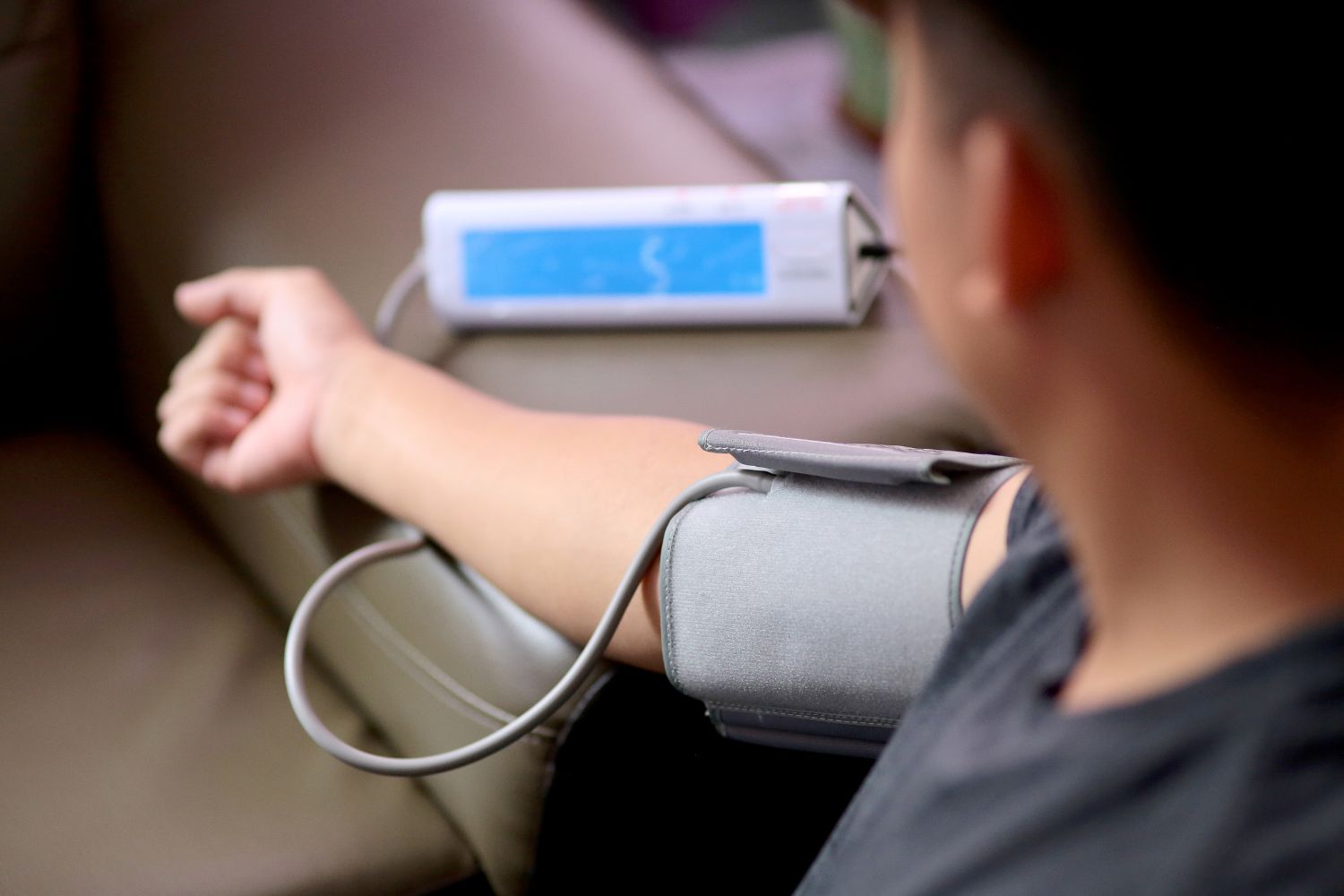
Elderly care has become an increasingly vital aspect of our society as the number of senior citizens continues to rise. With longer life expectancy and better healthcare, individuals are reaching their golden years with a desire for vibrant and fulfilling lives. In response to this growing trend, a range of innovative programs has emerged, designed to address the specific needs and desires of the elderly population.
One such program making waves in the world of senior care is the “Youthful Aging” initiative. Created by Dawn Ford, a passionate advocate for healthy aging, this unique approach aims to empower seniors and promote their vitality, both physically and mentally.
The Youthful Aging program has gained significant attention for its groundbreaking approach, which combines physical fitness, mental stimulation, and social engagement. Ford believes that these three pillars are essential to achieving a higher quality of life in old age. In an interview with Ford, she revealed, “Our goal is to dispel the notion that getting older means slowing down and losing one’s zest for life. We want to challenge the traditional stereotypes associated with aging and empower seniors to live their best lives.”
The main focus of the program is on physical fitness. It offers a range of exercise classes specifically tailored for the needs of older adults, including low-impact aerobics, strength training, and flexibility exercises. Participants are encouraged to push their boundaries while ensuring their safety and well-being. Ford emphasizes the importance of staying active, stating, “Regular exercise has been proven to improve overall health, boost cognitive function, and increase longevity. It’s never too late to start.”
In addition to physical fitness, the Youthful Aging program incorporates mental stimulation to keep participants mentally sharp and engaged. Various activities such as puzzles, brain teasers, and memory games are offered to exercise cognitive abilities. According to Ford, “Keeping the mind active is crucial to maintaining cognitive function and preventing cognitive decline. Our program offers opportunities for learning, problem-solving, and creativity, helping seniors stay mentally agile.”
Lastly, the program emphasizes the significance of social interaction and emotional well-being for seniors. Regular social gatherings, group outings, and community events are organized to combat loneliness and promote a sense of belonging. Ford explains, “Maintaining strong social connections is vital for mental and emotional well-being. By fostering a sense of community, we aim to combat feelings of isolation and provide a support system for our participants.”
Since its inception, the Youthful Aging program has garnered positive feedback from participants and the wider community. Mary Johnson, a 72-year-old program attendee, gushes, “This program has completely changed my life. I feel stronger, sharper, and more connected than ever before. It’s like being part of a second family.” The program’s success stories like Mary’s are a testament to the impact it is having on the lives of seniors.
As the elderly population continues to grow, innovative programs like Youthful Aging are essential in promoting healthy and fulfilling lives for seniors. By prioritizing physical fitness, mental stimulation, and social engagement, these initiatives are revolutionizing the way we approach elderly care.
In conclusion, the Youthful Aging program is a remarkable initiative that seeks to empower seniors and challenge age-related stereotypes. By providing opportunities for exercise, cognitive stimulation, and social interaction, the program fosters a vibrant and fulfilling lifestyle for the elderly. As we witness the impact Youthful Aging has on participants like Mary Johnson, it becomes clear that investing in senior care isn’t just important; it’s a necessity for the well-being of our aging population.