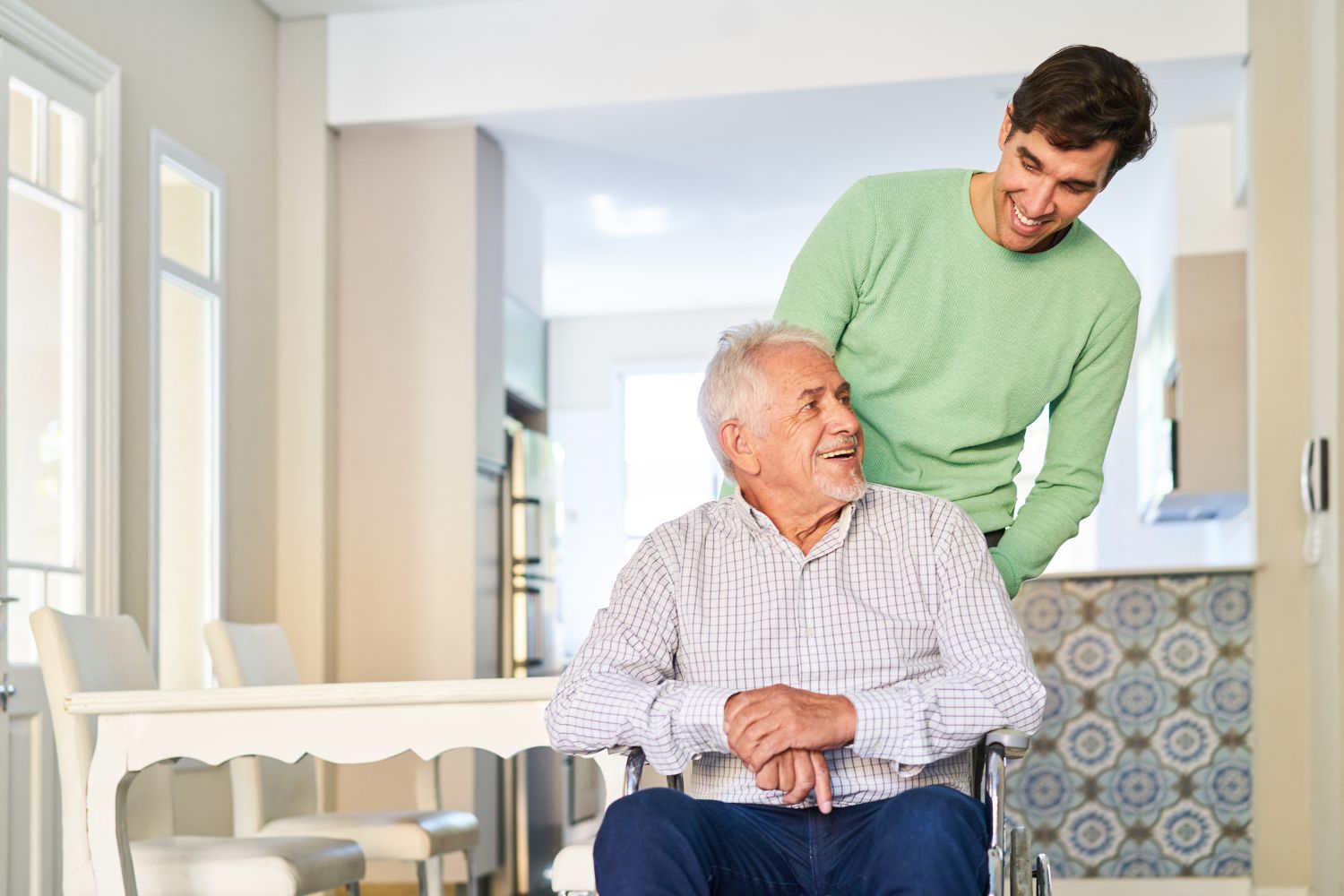
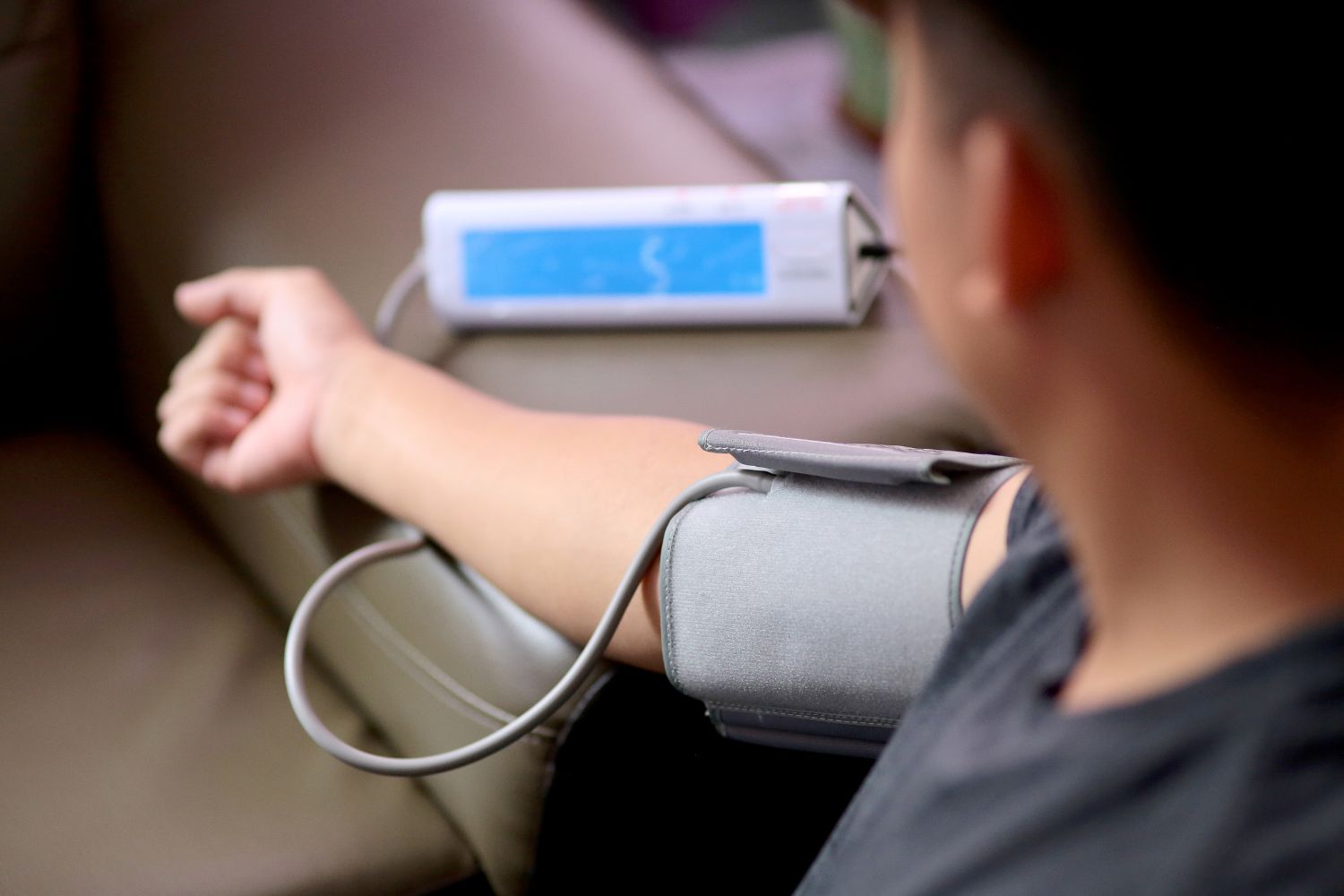
Aging is a natural part of life, and as our loved ones grow older, it becomes increasingly important to ensure their safety and well-being. In today’s technology-driven world, Android devices have become an integral part of our lives, offering convenience, communication, and entertainment. However, when it comes to the elderly population, there is a growing need for better features on Android devices to protect and support them. This article explores the challenges faced by seniors in the digital age and the potential for Android to address these issues.
One of the key concerns when it comes to elderly care is safety. The elderly often find themselves at a higher risk of falling, accidents, or medical emergencies. While there are various medical alert systems available, integrating such features directly into Android devices would provide an additional layer of security. Imagine if an Android device could automatically detect a fall and alert emergency services or loved ones immediately. This could potentially save precious time and even lives in critical situations.
Another aspect that needs attention is the overall user experience for seniors. Android devices can be complex, with multiple settings and options that can easily overwhelm older users. Simplifying the user interface and offering larger icons and text sizes would make it easier for seniors to navigate the device. Additionally, incorporating voice commands and voice-activated features could revolutionize the way seniors interact with their Android devices. Tasks like making a phone call, sending a message, or even searching the web could be done effortlessly by simply speaking.
Furthermore, social isolation is a significant issue among the elderly population. As mobility decreases and social circles shrink, seniors often find themselves feeling lonely and disconnected. Android devices could play a crucial role in mitigating this issue by offering user-friendly video calling and social media applications specifically tailored for seniors. Staying connected with family and friends becomes more accessible, allowing seniors to share special moments, seek emotional support, and combat the negative effects of isolation.
To fully understand the impact of these proposed features, it is essential to recognize the rapid growth of the elderly population. According to recent statistics, the number of individuals aged 65 and above is expected to reach 1.5 billion by 2050. This demographic shift highlights the urgent need for innovative solutions to cater to the specific needs of this population. By embracing the potential of Android devices, we can bridge the digital divide and empower seniors to lead more fulfilling lives.
Industry leaders and experts recognize the importance of addressing these challenges. Google, the company behind the Android operating system, has already taken steps in this direction. They have introduced features like “Bedtime Mode” and “Emergency Sharing” on their devices, making it easier for seniors to control their sleep routine and for family members to receive alerts in case of emergencies. However, there is still significant room for improvement.
In conclusion, Android devices have the potential to revolutionize elderly care by providing better features for the aging population. From enhancing safety and simplifying user interfaces to combating social isolation, adopting these features could have a profound impact on the lives of seniors. As the world becomes increasingly digital, it is crucial to ensure that our aging loved ones are not left behind. By prioritizing the needs of seniors and embracing innovation, we can create a more inclusive and supportive society.