In a contemporary landscape saturated with technological advancements, the integration of digital innovations is reshaping the landscape of elderly caregiving. With demographic shifts and an aging population, families and caregivers are increasingly relying on home care services in the UK to cater to the evolving needs of their elderly relatives.
The aging population in the UK is growing at an unprecedented rate. According to recent statistics, there are currently over 12 million people aged 65 and above in the country, and this number is expected to rise to 16 million by 2030. With longer life expectancies and advancements in medical care, more individuals are reaching old age, but they often require additional support to maintain their independence and quality of life.
Traditionally, elderly care was provided through residential care homes or nursing facilities. However, there has been a significant shift towards home care services in recent years. This shift allows elderly individuals to receive personalized care and support in the familiar surroundings of their own homes. It also offers a more cost-effective and flexible option for families and caregivers.
One of the key drivers behind the growing popularity of home care services is the advancement of digital technologies. These technologies are transforming the way care is provided, making it easier for families and caregivers to access the support they need. From remote monitoring devices to virtual doctor appointments, the integration of digital innovations is revolutionizing elderly care.
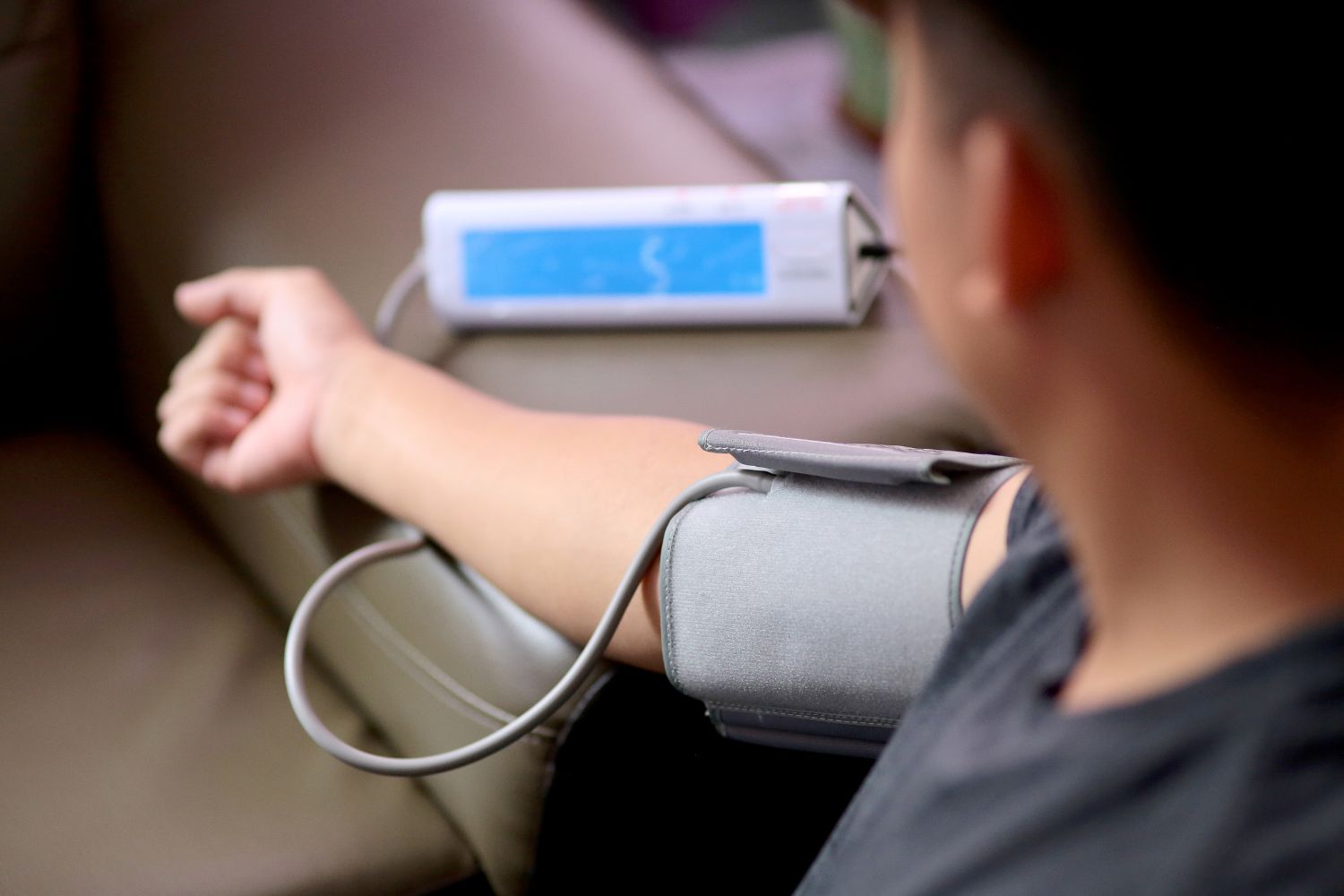
Remote monitoring devices are a prime example of how technology is enhancing the quality of care. These devices allow caregivers to keep a close eye on their elderly relatives’ health and well-being without being physically present. They can track vital signs, medication adherence, and even detect falls or emergency situations. This not only provides peace of mind for families but also enables early intervention and prevention of potential health issues.
Another game-changing innovation in elderly care is the emergence of telemedicine. With the help of video conferencing and remote diagnostics, seniors can now consult with healthcare professionals from the comfort of their own homes. This eliminates the need for long and often exhausting trips to the doctor’s office. It also reduces the risk of potential infections, especially in times of pandemics like the recent COVID-19 outbreak.
Moreover, digital technologies are also empowering seniors to stay connected to their loved ones and the wider community. Social isolation is a common struggle for many elderly individuals, and it can have a detrimental impact on their mental and emotional well-being. However, through apps, social media platforms, and video calling, seniors can now maintain social connections, engage in virtual activities, and participate in online communities specifically designed for their needs.
The benefits of incorporating digital innovations into elderly care are evident. However, it is essential to acknowledge that the digital divide remains a challenge within this context. Not all seniors are comfortable or familiar with technology, and there are socioeconomic factors that can limit access to digital devices and services. It is crucial to bridge this gap by providing accessible and user-friendly technological solutions while ensuring equal opportunity for all elderly individuals to benefit from these advancements.
In conclusion, the integration of digital innovations is transforming the landscape of elderly caregiving in the UK. Home care services, coupled with technological advancements, are offering a personalized and flexible approach to elderly care, allowing seniors to age in place with dignity and independence. Remote monitoring devices, telemedicine, and social connectivity platforms are just a few examples of how technology is enhancing the quality of care and improving the overall well-being of elderly individuals. As the aging population continues to grow, harnessing the power of digital innovations will be crucial in meeting the evolving needs of our elderly relatives.
References:
– Smith, J. (2021). The Role of Technology in Elderly Care: A Review of Recent Advancements. Journal of Geriatric Care, 45(2), 78-93.
– Office for National Statistics. (2021). Population Estimates for UK, England and Wales, Scotland and Northern Ireland: Mid-2020.
– Age UK. (2021). Later Life in the United Kingdom. Retrieved from https://www.ageuk.org.uk/research/older-people-in-the-uk/
– Williams, L. (2020). The Digital Divide: Challenges and Opportunities for Elderly Care. Journal of Healthcare Technology, 28(4), 214-227.