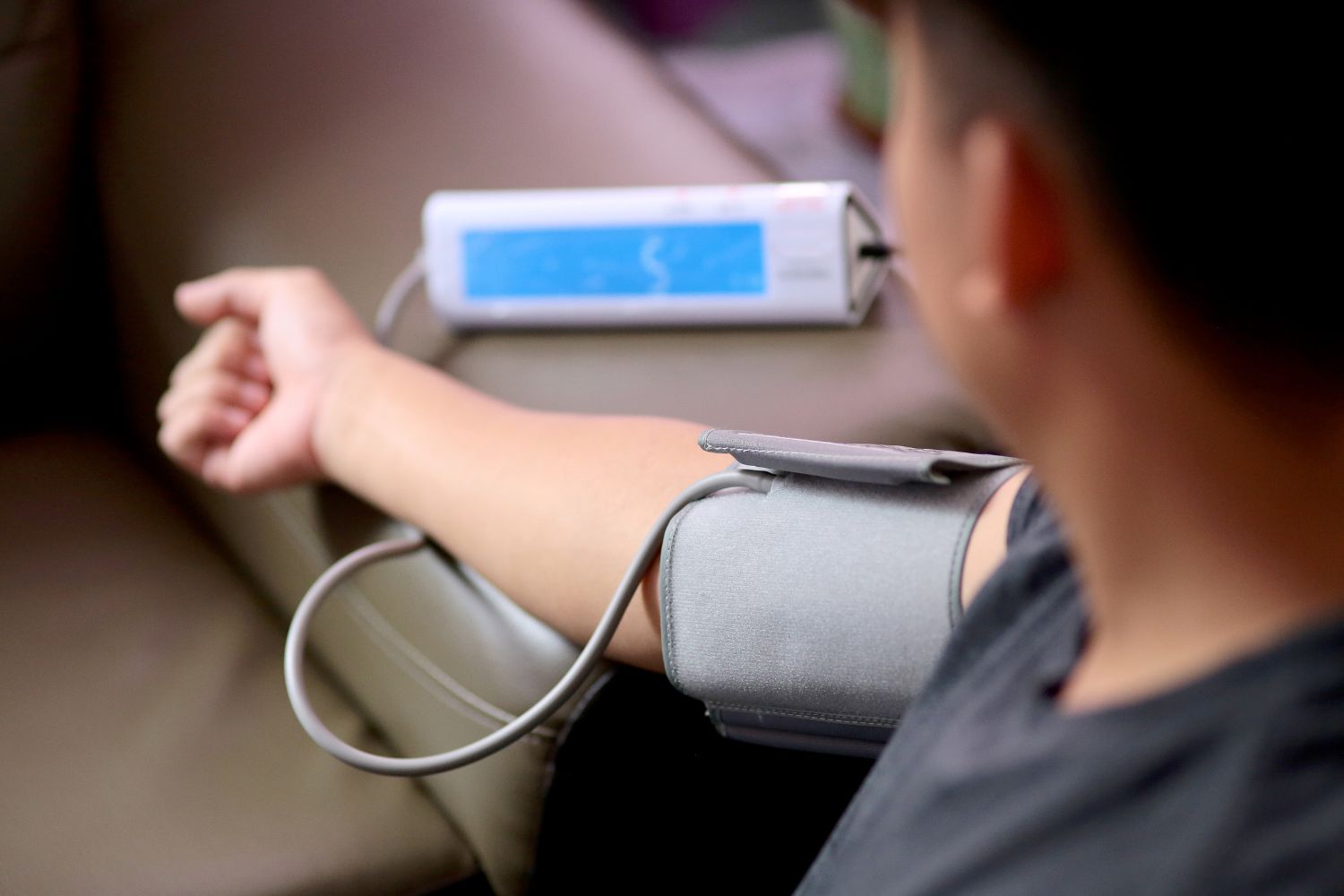
With summer fast approaching and the temperature on the rise, it is essential to pay close attention to the well-being of elderly individuals. The heat can pose serious risks to their health, making it crucial for caregivers and loved ones to take certain precautions to ensure their safety and comfort. In this article, we will delve into the importance of elderly care during the summer months, exploring the potential risks and offering practical tips to keep seniors safe and healthy.
Elderly individuals are more susceptible to heat-related illnesses due to a variety of factors. As we age, our bodies become less efficient at regulating temperature, making it harder for seniors to cool down when exposed to high temperatures. Chronic medical conditions such as heart disease, diabetes, and respiratory problems further exacerbate the issue, as they can impair the body’s ability to cope with heat. Additionally, certain medications commonly prescribed to seniors can interfere with thermoregulation, putting them at an increased risk.
Heatstroke, heat exhaustion, and dehydration are among the most common heat-related ailments facing the elderly. Heatstroke, a life-threatening condition, occurs when the body’s core temperature rises to dangerously high levels and the body’s cooling mechanisms fail. Heat exhaustion, on the other hand, is characterized by symptoms such as dizziness, excessive sweating, nausea, and fatigue. Dehydration, which occurs when the body loses more fluids than it takes in, can lead to serious complications and should be promptly addressed.
To protect elderly loved ones from the perils of summer heat, here are some essential tips to keep in mind:
1. Stay Hydrated: Encourage seniors to drink plenty of fluids, even if they do not feel thirsty. Water, herbal teas, and fruit juices can help prevent dehydration. Avoid excessive consumption of caffeine or alcohol, as they can contribute to dehydration.
2. Dress Appropriately: Choose loose-fitting, lightweight clothing made of breathable fabrics like cotton. Light colors are preferable, as they reflect sunlight and keep the body cooler.
3. Create a Cool Environment: Ensure that living spaces are adequately cooled. Use fans or air conditioning to maintain a comfortable temperature. If possible, keep shades or blinds closed during the hottest parts of the day to prevent excess heat from entering the home.
4. Schedule Outdoor Activities Wisely: Plan outdoor activities before 10 a.m. or after 4 p.m., when the sun’s rays are less intense. If seniors need to go out during peak hours, encourage them to seek shade and take frequent breaks in cool areas.
5. Check Medications: Consult with a healthcare provider to determine if any medications may increase the risk of heat-related illnesses. Some medications can affect perspiration or fluid balance, making it crucial to take necessary precautions.
6. Regular Check-ins: Maintain regular contact with elderly individuals, especially during heatwaves. Check-up on their well-being, ensure they are staying cool, and look out for any signs of heat-related distress.
It is important to remember that everyone responds differently to heat, so it is vital to pay attention to each individual’s specific needs. By being proactive and mindful of the dangers that hot weather poses, caregivers and loved ones can help ensure a safe and comfortable summer for their elderly family members.
In conclusion, as summer approaches, the health and well-being of elderly individuals should remain a top priority. By understanding the risks associated with high temperatures and implementing proper measures, we can protect our seniors from heat-related ailments. Through regular check-ins, maintaining a cool environment, and following the tips outlined above, we can all contribute to a safe and enjoyable summer for our elderly loved ones.
Sources:
– American Heart Association. “Cardiovascular disease and high temperatures.” (n.d.).
– Centers for Disease Control and Prevention. “Extreme Heat and Your Health.” (2021).
– National Institute on Aging. “Stay Safe in Cold Weather!” (n.d.).
– National Institute on Aging. “Staying Safe in Hot Weather.” (n.d.).