

As the population continues to age, the demand for quality elderly care and senior living options is on the rise. It is no secret that our societies are facing a silver tsunami, with an increasing number of individuals entering their golden years. In light of this, it is crucial to explore the latest advancements, challenges, and innovations in the field of elderly care. In this investigative report, we will delve into the world of senior living, highlighting the importance of personalized care and the positive impact it can have on the well-being of the elderly.
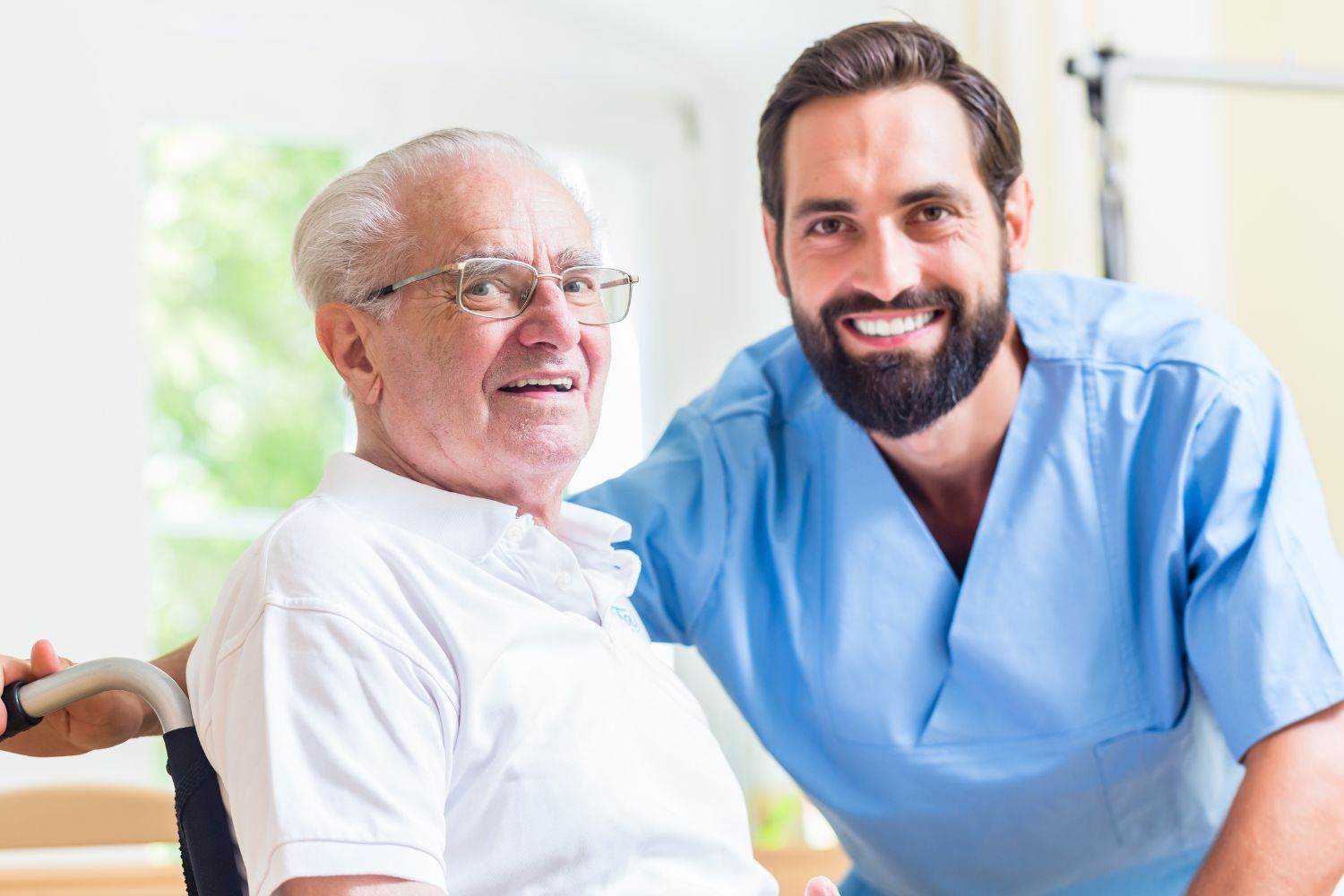
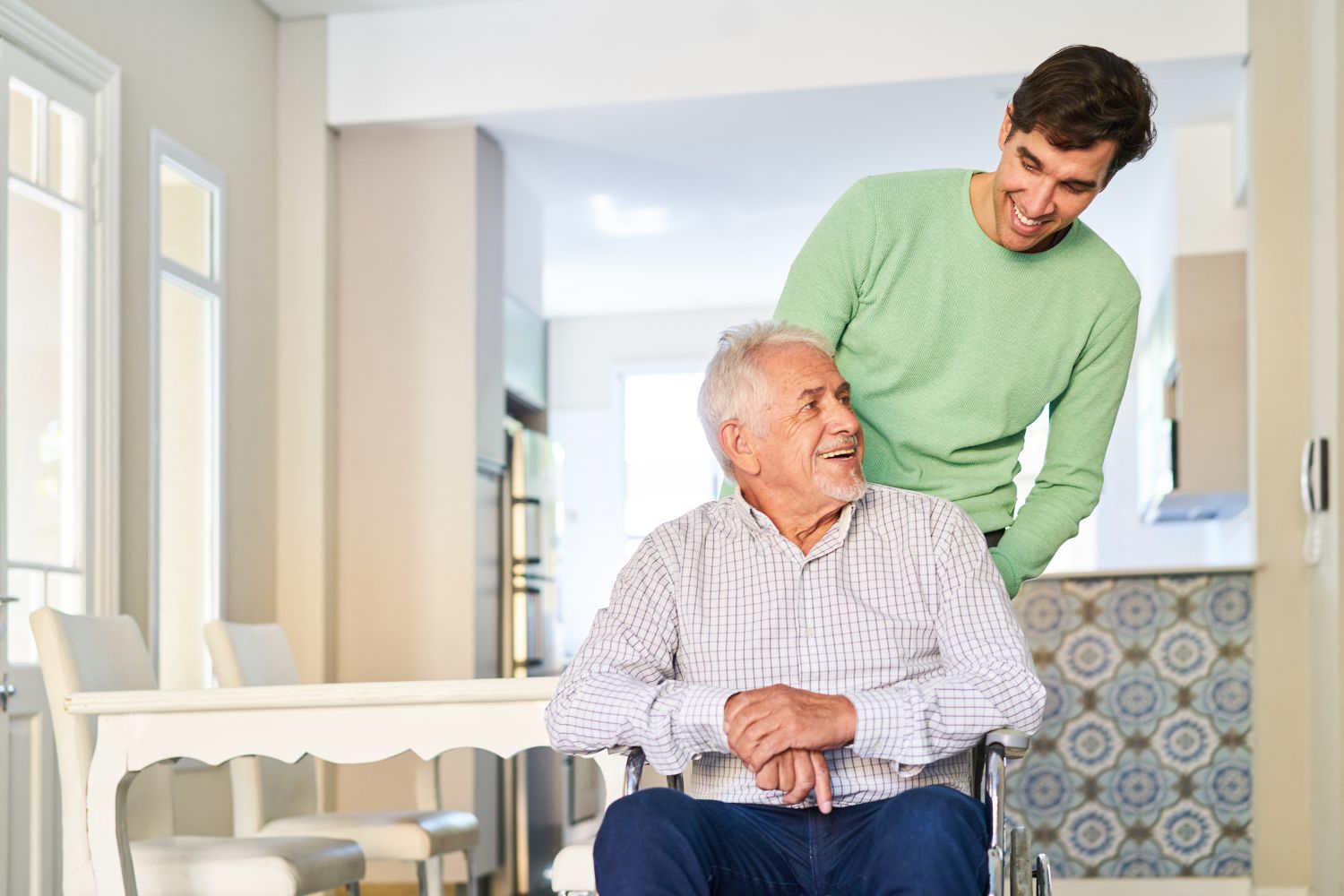
One of the key developments in the realm of elderly care is the shift towards personalized care plans. Gone are the days of cookie-cutter approaches that fail to recognize the unique needs and preferences of seniors. Instead, care providers are now adopting a person-centered approach, tailoring care plans to meet individual needs. From medical care to daily activities and social interactions, seniors are being given the power to actively participate in decisions that directly impact their lives.
Research shows that personalized care plans not only enhance the quality of life for seniors but also lead to better health outcomes. By incorporating the preferences and values of elderly individuals into their care, providers can establish a deeper sense of trust and understanding. This fosters a supportive environment where seniors feel empowered and valued, leading to improved physical and mental well-being.
In order to facilitate personalized care, technology plays a vital role. Advances in digital solutions have revolutionized the way we approach elderly care. From wearable devices that monitor health parameters to smart home technology that promotes independent living, seniors are benefiting from cutting-edge innovations. For instance, with the help of voice-activated assistants, like Alexa or Google Home, seniors can easily control their home environment, set reminders, and stay connected with loved ones.
Furthermore, telehealth has emerged as a game-changer in elderly care, especially in the wake of the COVID-19 pandemic. Telehealth allows seniors to receive medical consultations and monitoring remotely, eliminating the need for unnecessary hospital visits and reducing the risk of exposure to infectious diseases. This technology has not only increased access to healthcare for seniors but also offers convenience and peace of mind.
While the advancements in personalized care are promising, challenges persist in the field of senior living. One of the primary concerns is the shortage of skilled caregivers. As the demand for elderly care rises, the supply of qualified professionals fails to keep pace. This shortage not only strains the existing workforce but also compromises the level of care provided to seniors. To address this issue, it is imperative to invest in training programs, attract more individuals to the field, and improve the working conditions and compensation for caregivers.
Another challenge lies in financing senior care. Quality elderly care can come with a hefty price tag, often causing financial strain on families. As a result, many seniors and their loved ones face difficult decisions when it comes to choosing the right care options. Governments and policymakers need to prioritize supporting affordable senior living solutions and developing comprehensive insurance plans that cover the costs of care.
In conclusion, as our society ages, the need for personalized and high-quality elderly care becomes increasingly vital. The shift towards person-centered care plans, supported by advancements in technology, offers new possibilities for enhancing the well-being of seniors. However, challenges such as workforce shortages and financing issues must be addressed to ensure access to quality care for all. As we continue to navigate the evolving landscape of senior living, it is imperative that we prioritize the needs, preferences, and dignity of our elderly population. After all, they have spent a lifetime contributing to our communities, and now it is our turn to care for them in the best possible way.