Recent Developments in Elderly Care: The Importance of Vaccination
As the world continues to navigate the challenges brought on by the COVID-19 pandemic, certain groups remain particularly vulnerable to the virus’s impact. Among them are the elderly and immunocompromised individuals. Recognizing this, experts are stressing the significance of vaccination, advising that even those residing in seniors’ homes should consider receiving additional doses to bolster their immunity. In this article, we delve into the essential role of vaccinations in elderly care and explore recent developments in the field.
The COVID-19 pandemic has highlighted the critical need for robust protection strategies in seniors’ homes. The close quarters and communal living environments that define these facilities can facilitate the rapid spread of infectious diseases. This is especially true for respiratory illnesses like COVID-19, which can have severe consequences for older individuals.
Vaccination has emerged as a powerful tool in minimizing the impact of the virus on the elderly population. The initial rollout of vaccines brought hope, but ongoing research has shed light on the importance of additional doses or booster shots. Health authorities, including the Centers for Disease Control and Prevention (CDC) and the World Health Organization (WHO), have recommended extra doses for those with compromised immune systems or residing in congregate settings.
However, it is important to note that the benefits of vaccination extend beyond individuals within these specific categories. While immunocompromised individuals and seniors face heightened risks, anyone can benefit from a fresh dose of the COVID-19 vaccine. The more people vaccinated, the higher the level of overall community protection, commonly referred to as herd immunity. This added layer of defense can help safeguard vulnerable populations and minimize the transmission of the virus.
In the realm of senior care, the importance of vaccination goes beyond COVID-19. Immunization plays a vital role in preventing a range of diseases that commonly affect older adults, such as influenza, pneumonia, and shingles. The immune system naturally weakens with age, making older individuals more susceptible to infections. By staying up-to-date with recommended vaccines, seniors can reduce their risk of potentially serious health complications.
To address the evolving landscape of immunization in elderly care, researchers and pharmaceutical companies are continually working to improve vaccines. New developments, such as mRNA technology, have led to the creation of highly effective COVID-19 vaccines. These advancements offer hope for enhanced protection and improved outcomes for elderly individuals.
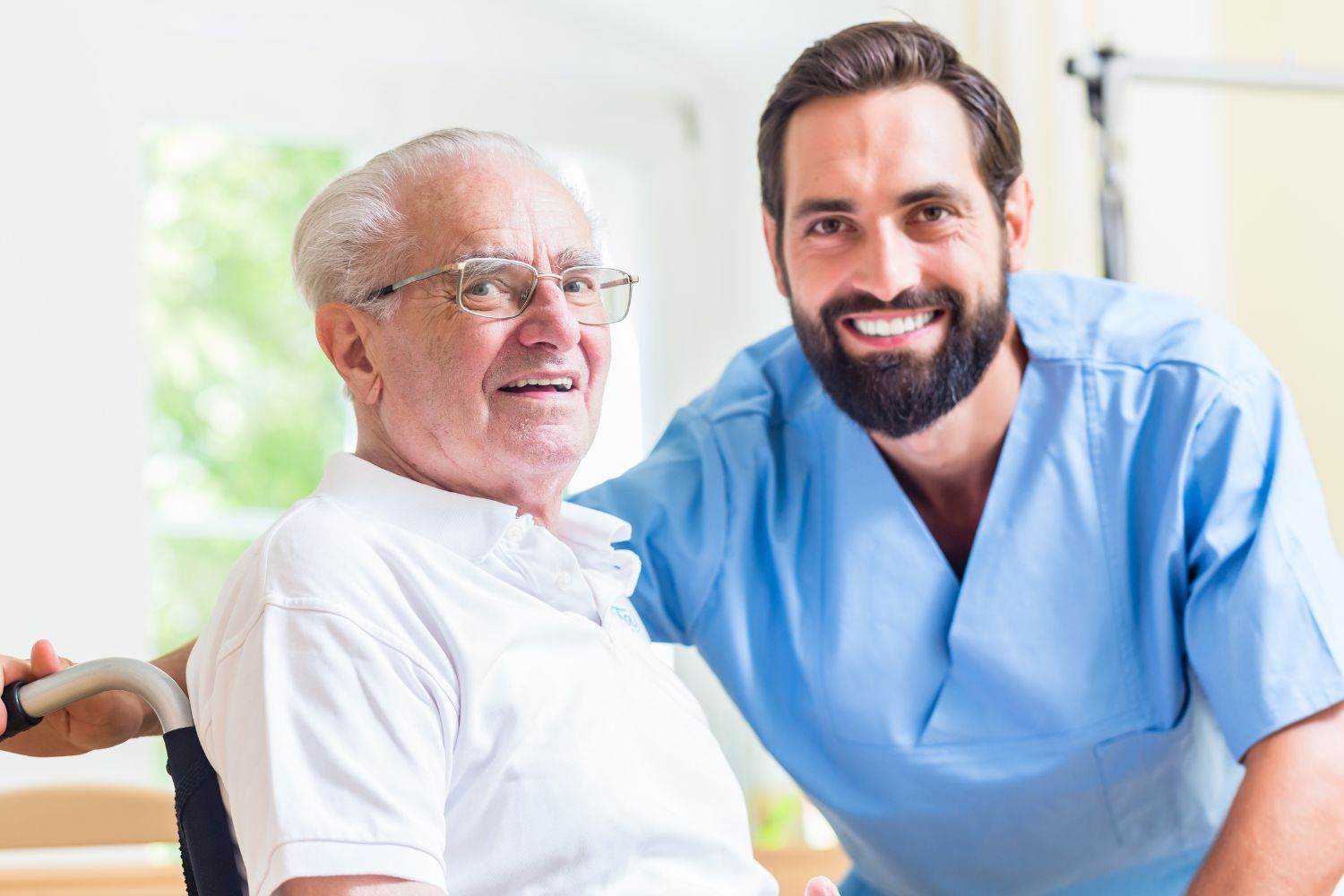
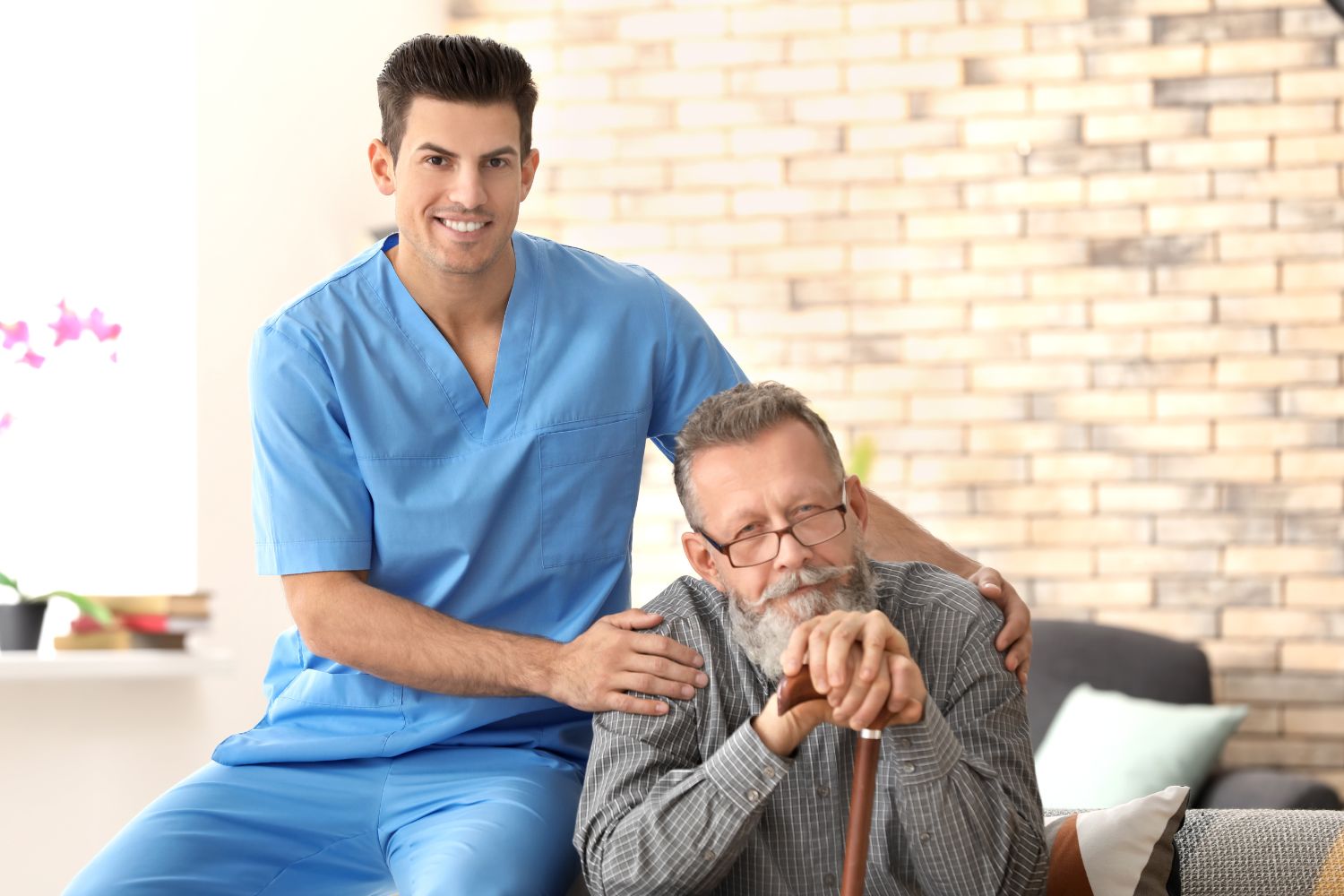
Recognizing the importance of vaccinations, care providers are actively encouraging immunization in senior care settings. They are engaging in educational campaigns, raising awareness about the benefits of vaccines, and dispelling common misconceptions. Additionally, care facilities are implementing protocols to ensure residents receive necessary vaccinations. By collaborating with healthcare professionals and following evidence-based guidelines, senior care facilities can create a safer environment for their residents.
As attitudes towards vaccination evolve, it is crucial to address any concerns or hesitations that individuals may have. Misinformation can be a significant barrier to immunization, particularly among marginalized communities or those with limited access to healthcare resources. By providing accurate information, addressing concerns, and promoting open dialogue, healthcare professionals and community leaders can contribute to increased vaccine acceptance among older adults.
In conclusion, the importance of vaccination in elderly care cannot be overstated. COVID-19 has heightened awareness of the need for robust protection strategies, including immunization, for older individuals and those in seniors’ homes. By staying informed, encouraging vaccine uptake, and investing in ongoing research, we can make significant strides in protecting the vulnerable populations who rely on our care.
Sources:
1. Centers for Disease Control and Prevention (CDC)
2. World Health Organization (WHO)
3. Journal of the American Geriatrics Society