

Easing the Burden of Aging: Innovative Approaches to Senior Care
As our population ages, the demand for quality senior care continues to grow exponentially. Concerned families are constantly seeking innovative solutions to ensure their loved ones receive the best possible care and support during their golden years. In this investigative report, we explore the latest trends and developments in elderly care and senior living, shedding light on the challenges faced by aging individuals and the groundbreaking solutions that have emerged to ease their burden.
The Importance of Senior Care
Taking care of our elders is not just a matter of respect and gratitude, but a responsibility we owe to those who paved the way for us. Aging, however, often brings a host of physical and mental challenges that can make independent living challenging. From chronic health conditions to declining cognitive abilities, seniors require specialized care and attention. This is where the concept of senior care comes into play – a multifaceted system designed to cater to the unique needs of the elderly.
In recent years, the field of senior care has witnessed remarkable advancements, driven by a growing understanding of aging-related issues and an increasing emphasis on quality of life for the elderly.
Person-Centered Care: A Paradigm Shift
One notable innovation in senior care is the shift towards person-centered care. This approach recognizes the individuality of each senior and tailors care plans that prioritize their preferences, needs, and goals. Person-centered care empowers seniors by involving them in decision-making processes, enabling them to maintain control and dignity in their lives. A study conducted by the Journal of the American Geriatrics Society demonstrated that person-centered care not only improves the well-being of the elderly but also leads to better health outcomes.
Technological Marvels in Senior Care
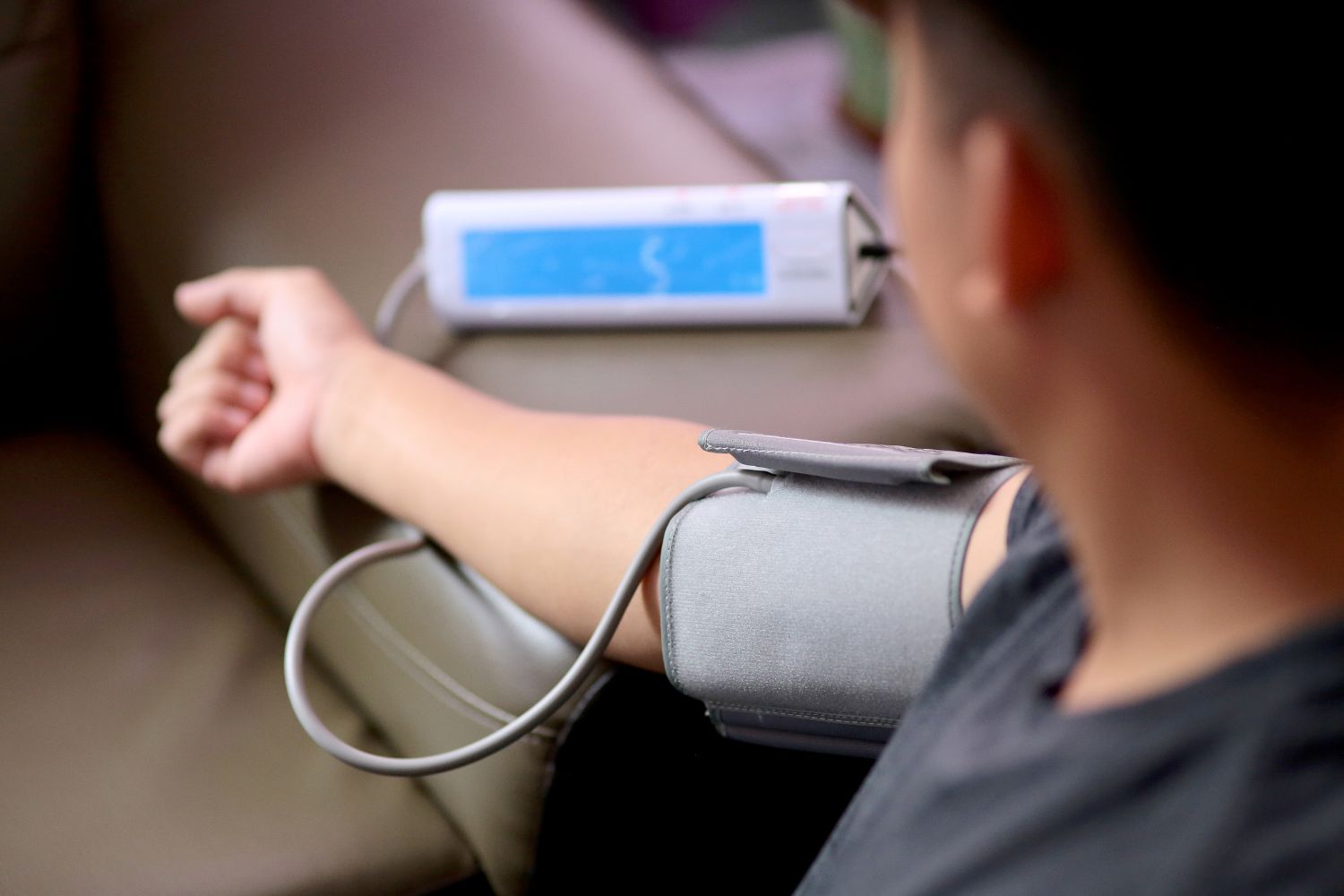
The integration of technology has also revolutionized the field of senior care, offering new avenues for enhancing independence and well-being. From smart homes equipped with sensors to wearable devices monitoring vital signs, technology is transforming the way we care for seniors. A prime example is the development of assistive robots, which can perform routine tasks and provide companionship to alleviate loneliness.
These technical innovations not only provide practical assistance but also serve as a source of reassurance for seniors and their families. Patricia Johnson, a gerontologist, emphasizes the impact of technology, stating, “We shouldn’t fear technology, but embrace it as a tool that can significantly enhance the quality of life for seniors.”
Promoting Active Aging
Another trend gaining traction in senior care is the promotion of active aging. Recognizing that a sedentary lifestyle often leads to physical and cognitive decline, senior living communities have begun incorporating various activities and programs to keep residents engaged and stimulated. These can range from exercise classes tailored to seniors’ needs, to interactive workshops and outings. The aim is to foster a sense of purpose and fulfillment, allowing seniors to lead fulfilling lives even as they age.
The Future of Care: A Collaborative Effort
As the demand for senior care continues to rise, it is essential that all stakeholders in the field come together to address the challenges ahead. Governments, healthcare providers, community organizations, and families must collaborate to create a holistic support system that caters to the diverse needs of the elderly. We need policy reforms that ensure accessibility and affordability of care, as well as continuous innovation to keep pace with the evolving landscape of aging.
In conclusion, senior care has transformed significantly in recent years, offering a range of innovations and approaches that prioritize the well-being and quality of life for our aging population. As technology continues to advance and our understanding of aging deepens, the possibilities for providing exceptional care only grow. Let us strive to embrace these exciting possibilities and ensure that our aging loved ones receive the care and respect they deserve.